MEASURING THE BENEFITS
A research summary on the benefits of Balinese Traditional Dance
for women’s health and physical fitness
Preface
We offer our deepest gratitude to God Almighty, Ida Sang Hyang Widhi Wasa, for His blessings that have enabled us to complete this book. This work serves as a vehicle for presenting the findings of research on the health benefits of Balinese traditional dance that we have conducted over the past decade.
In this book we present results ranging from observational studies to experimental research on Balinese traditional dance. Our research began by calculating the caloric expenditure that occurs while performing Balinese traditional dance. We then conducted kinematic analysis of female Balinese traditional dance movements using software capable of projecting those movements across all planes of motion. Subsequently, we continued with experimental research on the benefits of the Lègong dance for physical fitness and neuroplasticity in adolescent girls.
The sports physiology perspective we applied in these studies provides a new scientific viewpoint on Balinese traditional dance — an aesthetic and dynamic art form that until now has been viewed primarily as a cultural performance. Our research demonstrates that Balinese traditional dance contains complete components of physical training: postural training, coordination training, balance training, and muscular strengthening. In essence, Balinese traditional dance delivers comprehensive and gender-specific physical training suited to the needs of both women and men.
This series of studies represents a scientific effort to identify the potential of traditional Balinese culture in improving the health and wellness of the community. This exploratory work has proven highly engaging and has strengthened our curiosity about the benefits of Balinese traditional culture. As scholars, we must not become trapped in modern scientific terminology that is fragmented in nature, nor should we overlook the potential of the traditional culture we possess for the health and well-being of society.
This research journey leads to the conclusion that every activity of traditional Balinese culture stores substantial physical, mental, and spiritual benefits for achieving a state of health and well-being, or wellness.
Denpasar, September 2023
The Author
Table of Contents
- Preface
- Introduction
- Components of Physical Fitness
- Definition of Physical Fitness
- Components of Physical Fitness
- Physical Fitness in Women
- Balinese Dance as a Form of Physical Training
- Overview of Balinese Dance
- Structure and Interlinking of Balinese Dance Movements
- Postural Training in Balinese Dance
- Coordination and Balance Training
- Aerobic Training in Balinese Dance
- Muscular Training in Balinese Dance
- Balinese Dance Improves Physical Fitness
- Effects on Aerobic Fitness
- Effects of Lègong Dance on Strength, Muscular Endurance and Flexibility
- Effects on Balance
- Effects on Body Fat Composition
- Balinese Dance as Suitable Exercise for Women
- Closing Remarks
- Appendix – Kinematic Analysis Graphs
- References
1. Introduction
Physical fitness and health form a continuum in which physical fitness is an extension of the healthy condition. Health is defined as the absence of illness or disease in an individual — physically, mentally, and socially. Physical fitness, on the other hand, is a person’s ability to perform daily routine activities without undue fatigue while still retaining the capacity for recreation or unexpected activities. Physical fitness is also known as kesegaran jasmani or physical readiness.
Attention to physical fitness began to grow after the Industrial Revolution, when human activity was increasingly replaced by machines and health problems arising from sedentary behaviour increased. This development occurred in both research and the fitness industry, as well as the sports equipment industry globally. Scientific research began with studies on the physical activity required to improve fitness, including research on aerobic and anaerobic capacity, later expanding to studies on muscular strength and endurance.
Numerous studies have shown that poor physical fitness increases health risks. Poor physical fitness and obesity nearly double the risk of hypertension. Overweight individuals are at higher risk of diabetes mellitus and osteoarthritis, especially women. Endometrial, breast, prostate, and colon cancers occur more frequently in people with poor fitness (Vasconcellos et al., 2014). Levels of physical fitness also affect women’s reproductive health, such as irregular menstruation and ovulation, as well as infertility. Therefore, maintaining good physical fitness is essential to reduce health risks. Good physical fitness can be achieved in various ways, one of the most important being regular exercise.
In 1968, sports physiologist Dr. Kenneth H. Cooper published the book Aerobics. In it he emphasised the importance of aerobic exercise for improving cardiovascular health and fitness, and introduced the Cooper aerobic test for measuring an individual’s fitness level (Cooper 1980, 1969). Although not an official recommendation from a professional organisation at the time, the concepts introduced by Dr. Cooper strongly influenced the understanding of the relationship between physical activity and health, becoming the foundation for later recommendations issued by major health organisations.
Recommendations from the American College of Sports Medicine (ACSM) and the American Heart Association (AHA) in 1995 emphasised moderate-intensity aerobic exercise for 30 minutes (Pate et al. 1995; Nelson et al. 2007; Haskell et al. 2007). Muscle-strengthening exercise was also recommended, although it was not yet a priority. In 2008, the United States Department of Health and Human Services recommended 150 minutes of moderate-intensity aerobic activity or 75 minutes of vigorous-intensity aerobic activity per week, plus major muscle-group strengthening and flexibility exercises at least twice a week. In 2010, the World Health Organization issued similar recommendations.
Despite these recommendations having been published for more than a decade, physical activity levels in Indonesia remain low. Basic health research shows that physical inactivity increased from 26.1% (2013) to 33.5% (2018) (Pranata et al., 2013). This aligns with low physical fitness levels among children and adolescents.
Balinese traditional dance still forms part of the daily life and religious ceremonies of adolescent groups. Dance studios (sanggar) continue to operate in communities and schools across Bali, regularly training children and adolescents. Practice and performance are usually conducted in groups and are clearly enjoyable, particularly for adolescent girls. Although not all become professional dancers, Balinese girls are generally introduced to dance from the age of 4–5 years. Parents take pride when their daughters can dance and perform at various events. This picture illustrates the potential of Balinese dance as an alternative form of physical activity or sport, especially for girls and young women.
Scientific examination of Balinese traditional dance from the perspective of sports physiology is an engaging endeavour. It seeks to identify the elements of physical training contained within dance activity, assess the exercise intensity that occurs while dancing, and measure its effects on the health and physical fitness of the dancers. This provides a new perspective on an art form long viewed solely as cultural performance. Previous research on Modern Baris Dance has already demonstrated fitness benefits for its performers (Adiputra 1994). In the past decade, however, comparable research on female Balinese traditional dance has been lacking. Advances in motion-analysis methods now offer the potential for quantitative study of the aesthetic and dynamic movements of Balinese dance, while biomarker examination can deepen understanding of the biomolecular changes occurring in the dancers’ bodies.
2. Components of Physical Fitness
Definition of Physical Fitness
Physical fitness derives from the words “physical” (relating to the body) and “fitness” (suitability or readiness). Thus, physical fitness refers to the degree of match between a person’s physical capacity and the physical demands of their tasks and responsibilities. This match is characterised by the absence of fatigue and the retention of capacity for recreation or unexpected demands. An athlete who can meet the physical requirements of their sport without fatigue and still engage in recreation after training is considered fit; the same principle applies to a student who can meet academic physical demands while retaining reserve capacity for unexpected needs. Consequently, every individual requires a different level of physical capacity according to their roles and responsibilities. In relation to health, physical fitness exists on a continuum: a healthy person is not necessarily fit, whereas a fit person can be assumed to be healthy (McArdle et al. 2012).
Physical fitness can be classified into two groups: health-related physical fitness and sport-related (or performance-related) physical fitness. Health-related physical fitness is the physical condition needed to maintain health and reduce the future risk of non-communicable disease. Sport-related physical fitness comprises the physical abilities required by an athlete to achieve high performance in a particular sport.
Components of Physical Fitness
Health-related physical fitness consists of five components:
- Muscular strength
- Muscular endurance
- Flexibility
- Cardiorespiratory (aerobic) fitness
- Body composition
Sport-related physical fitness includes additional components such as power, agility, balance, and anaerobic fitness (Plowman and Smith 2014).
Aerobic Fitness
Aerobic fitness, also called cardiorespiratory fitness or stamina, reflects the ability to perform physical activity over a prolonged period (McArdle et al. 2012). It represents the body’s capacity to take in oxygen from the air, deliver it to the lungs, pump it to active muscles, and utilise it to oxidise fat and carbohydrate into energy. Consequently, this component simultaneously reflects the quality of the respiratory, cardiovascular, and muscular systems.
Muscular Strength and Endurance
Muscular strength is the maximum force a muscle or muscle group can generate in a single effort. Muscular endurance is the ability of a muscle or muscle group to perform repeated contractions against a submaximal load or to sustain a contraction over time. Both are essential for daily activities and for injury prevention.
Flexibility
Flexibility is the range of motion available at a joint or series of joints. Adequate flexibility supports efficient movement, reduces injury risk, and contributes to good posture.
Body Composition
Body composition refers to the relative proportions of fat mass and fat-free mass. Excess body fat, particularly visceral fat, is strongly associated with increased risk of metabolic and cardiovascular disease.
Physical Fitness in Women
Women experience unique physiological demands related to the menstrual cycle, pregnancy, and menopause. During pregnancy, progressive changes in posture, centre of gravity, and pelvic-floor loading occur as the fetus grows. Maintaining good physical fitness before and during pregnancy helps mitigate back pain, pelvic-floor dysfunction, and other musculoskeletal complaints. After menopause, declines in oestrogen accelerate loss of bone density and muscle mass, making strength training and weight-bearing activity particularly important.
Balinese traditional dance, with its characteristic postures, controlled movements, and rhythmic patterns, offers a culturally appropriate and enjoyable form of exercise that addresses many of these gender-specific needs.
3. Balinese Dance as a Form of Physical Training
Overview of Balinese Dance
Balinese traditional dance is an integral part of Balinese cultural and religious life. It is performed in temples, community ceremonies, and increasingly on stage for both local and international audiences. The dance is characterised by precise, highly controlled movements of the eyes, hands, head, torso, and feet, together with a distinctive facial expression that may range from a gentle smile to a sharp gaze.
Girls in Bali are typically introduced to dance between the ages of four and five. Training takes place in community studios (sanggar) and schools, usually in groups, creating a socially enjoyable environment. Even when dancers do not pursue a professional career, the early and sustained practice of dance provides a lifelong foundation of movement skill, posture, and physical conditioning.
Structure and Interlinking of Balinese Dance Movements
Balinese dance movements are built upon a set of fundamental postures and transitional phrases that are combined according to the character and narrative of each dance. Key elements include:
- Basic stance with knees bent (agem)
- Controlled shifts of the centre of gravity
- Precise hand and finger positions (mudra-like gestures)
- Eye movements that are integral to expression
- Rhythmic footwork coordinated with the gamelan
These elements create continuous chains of movement that demand simultaneous control of posture, balance, coordination, and muscular effort.
Postural Training in Balinese Dance
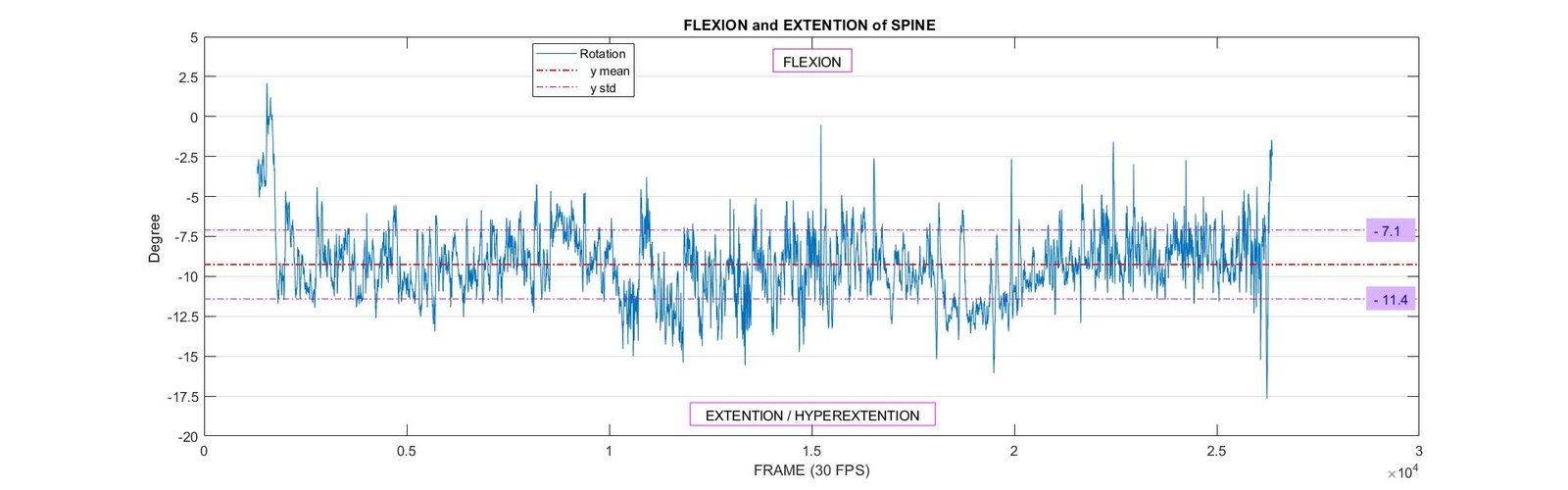
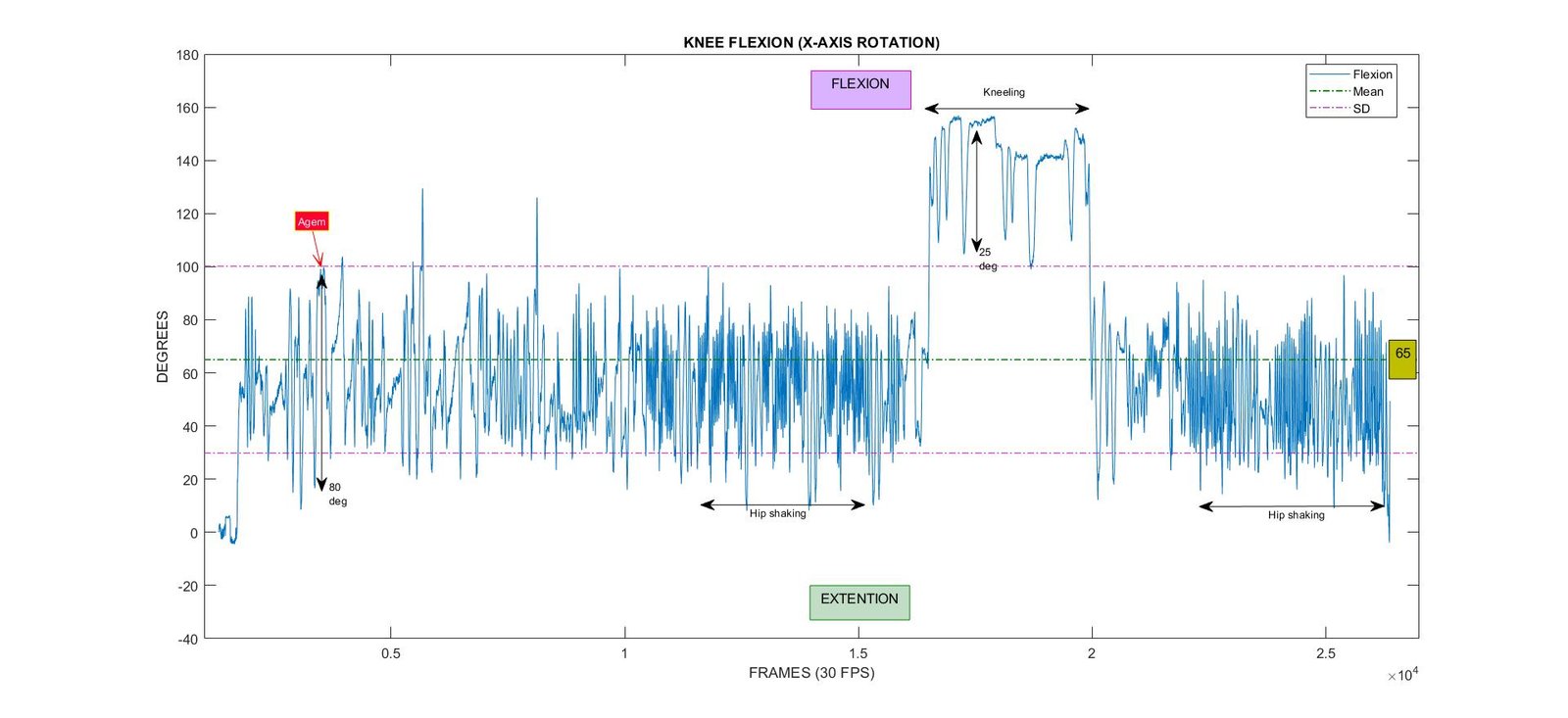
One of the most distinctive features of Balinese dance is the maintenance of specific postural alignments for extended periods. The characteristic bent-knee stance (agem) requires sustained isometric activity of the quadriceps, gluteals, and deep postural muscles of the trunk. The spine is often held in a slight extension or controlled lordosis, while the head and neck remain upright with independent movement of the eyes and neck.
This prolonged postural demand constitutes excellent training for the deep stabilising musculature of the trunk and pelvis — muscles that are frequently under-trained in conventional aerobic exercise programmes.
Coordination and Balance Training
Balinese dance requires simultaneous multi-segment coordination: eyes, head, arms, torso, and legs often move in different rhythms and directions. The dancer must continually adjust the centre of gravity while performing complex upper-body gestures. These demands develop both static and dynamic balance, as well as inter-limb and eye–hand–foot coordination.
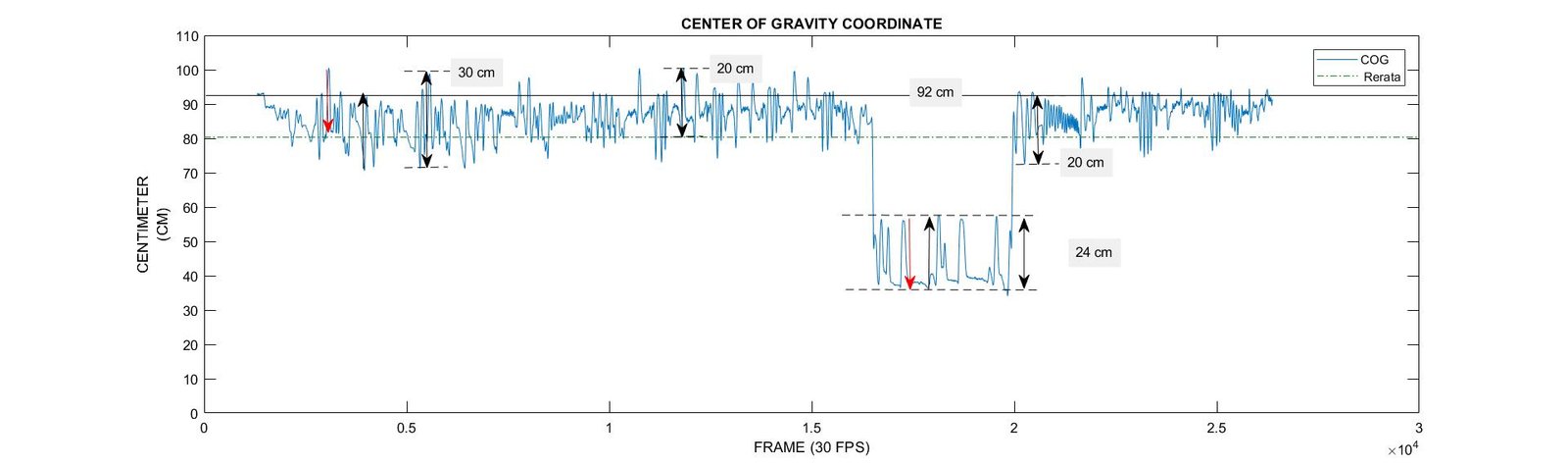
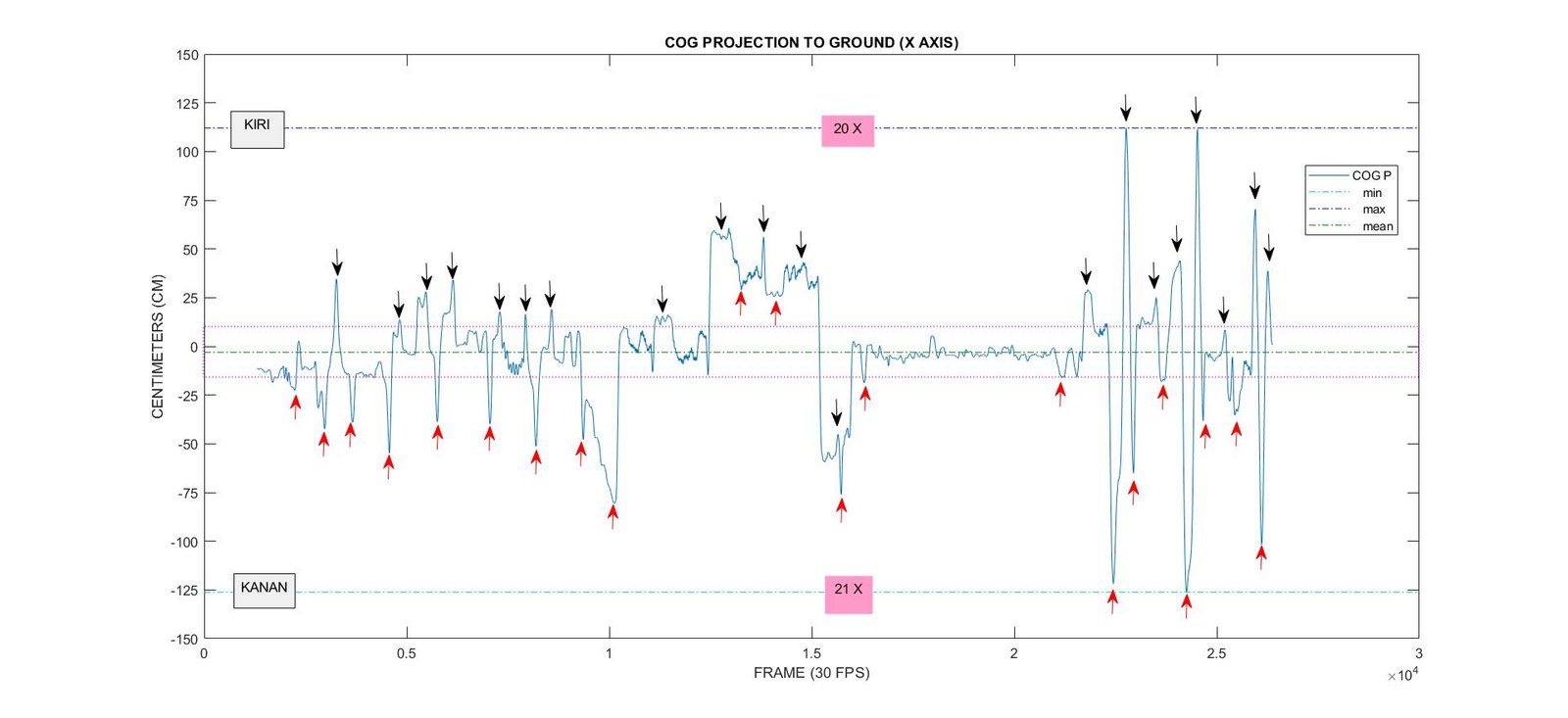
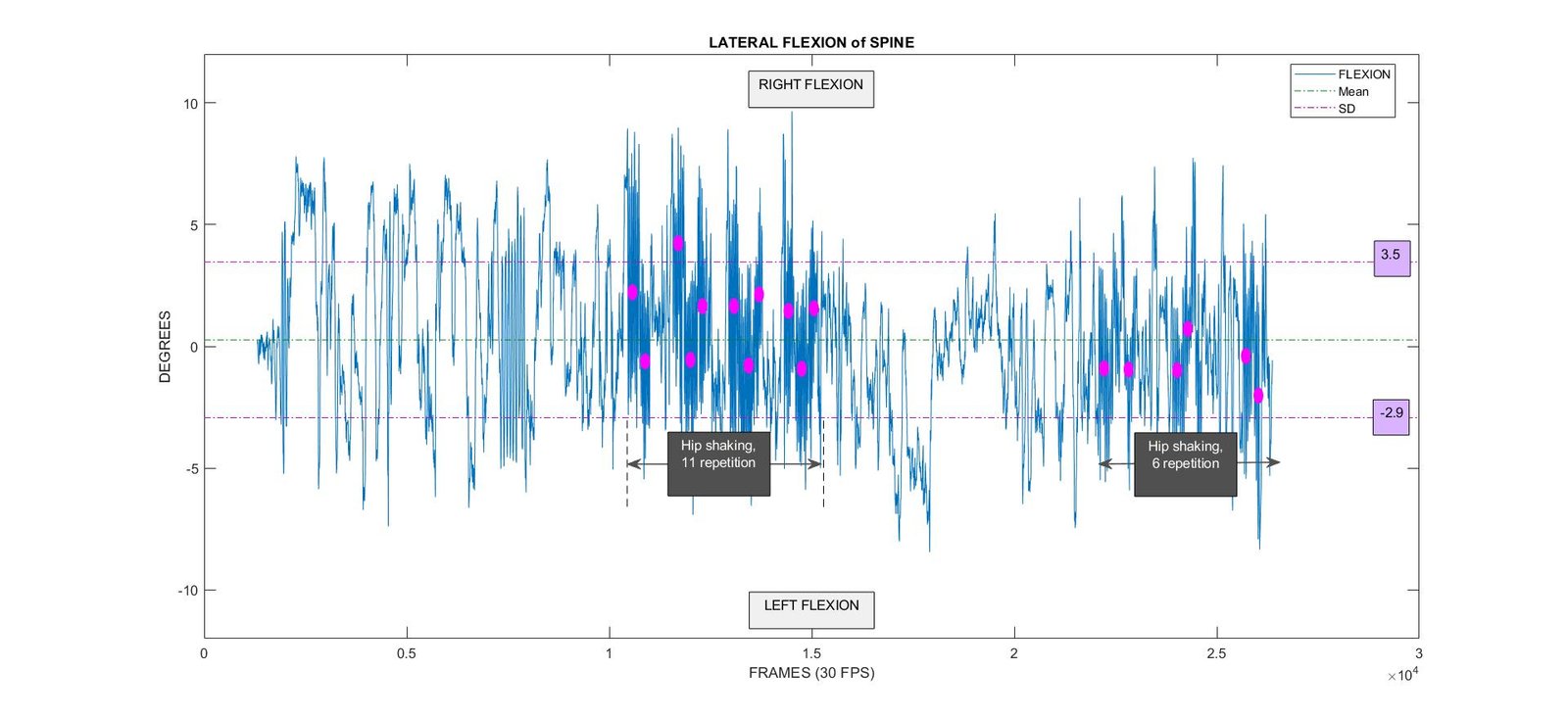
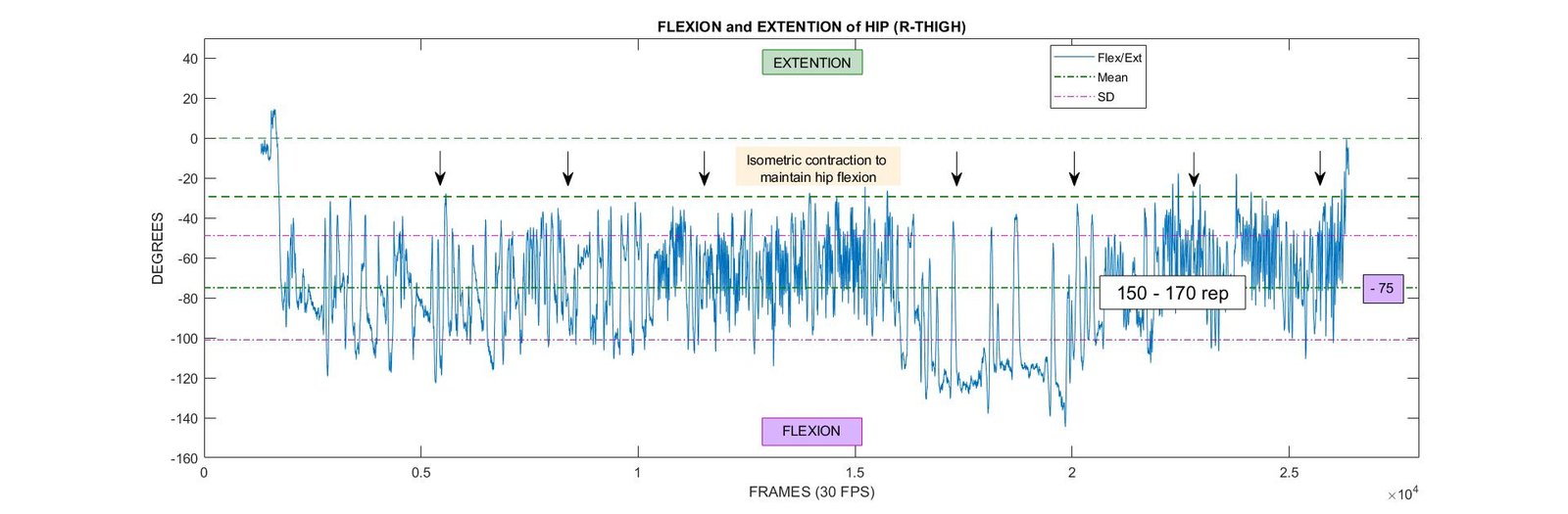
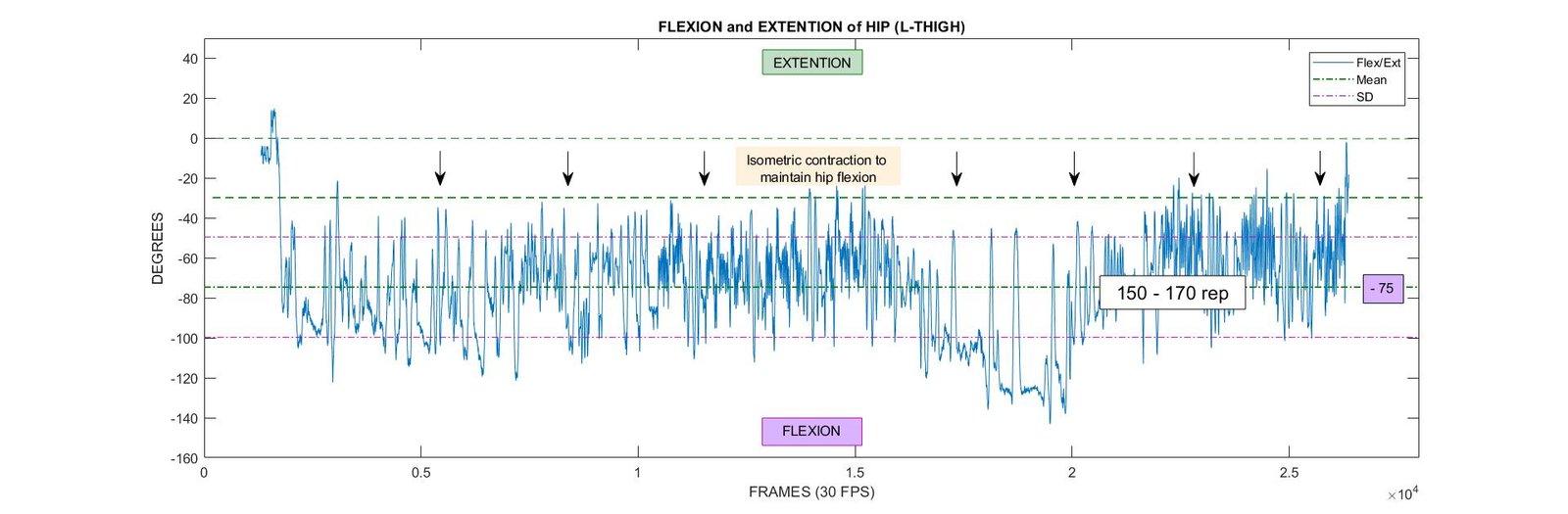
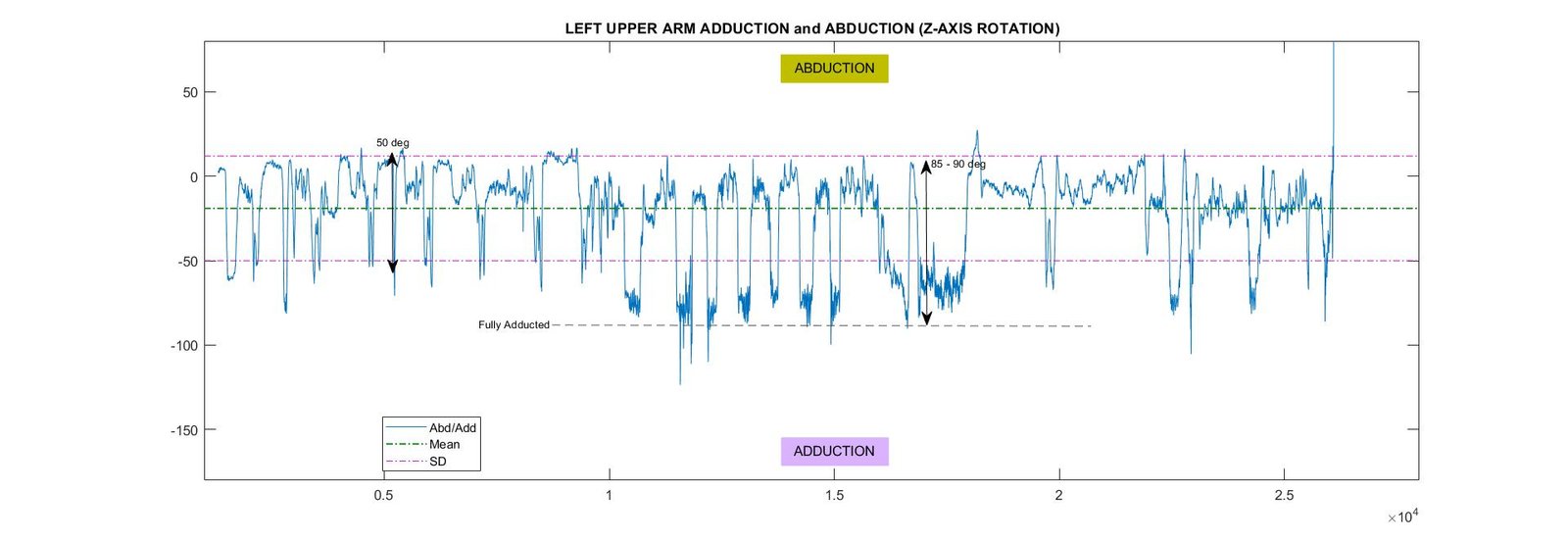
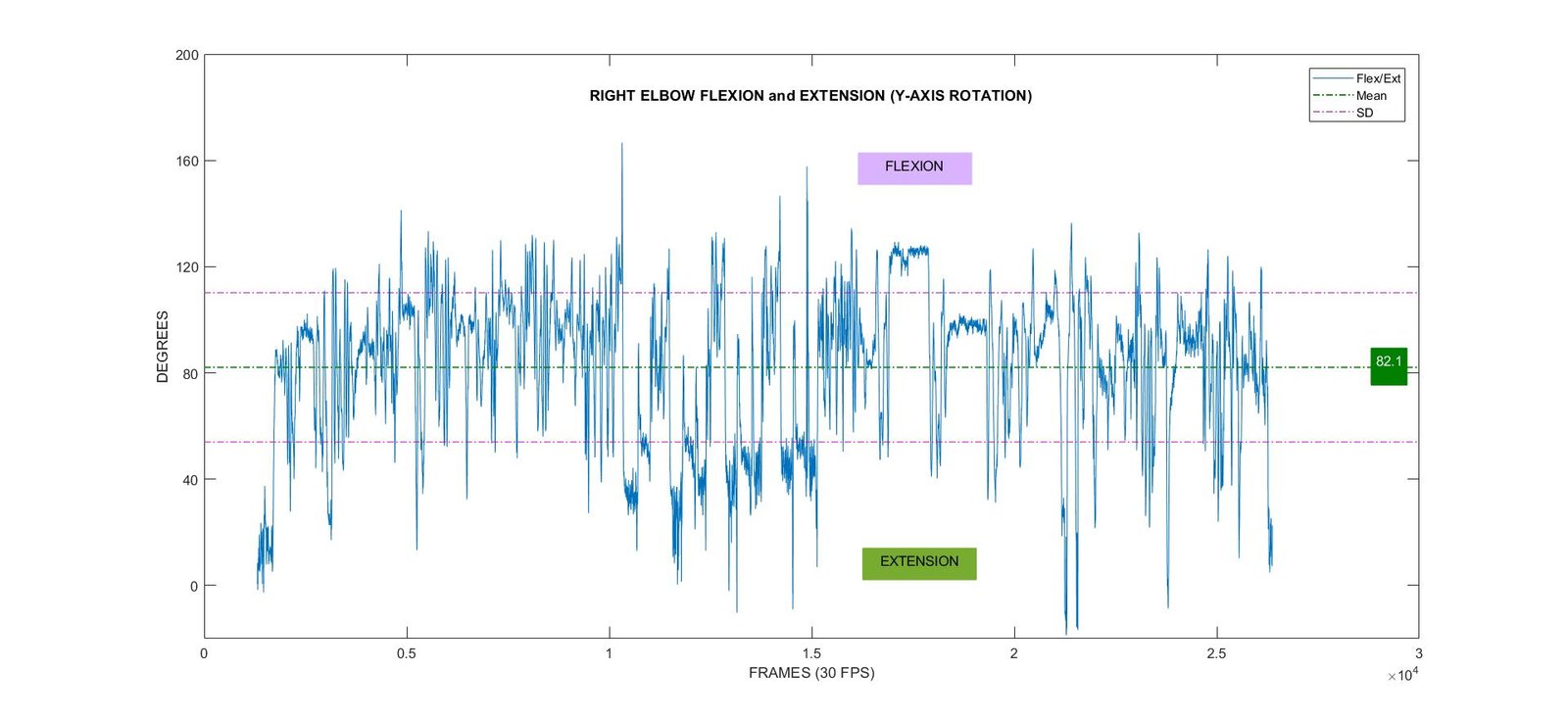
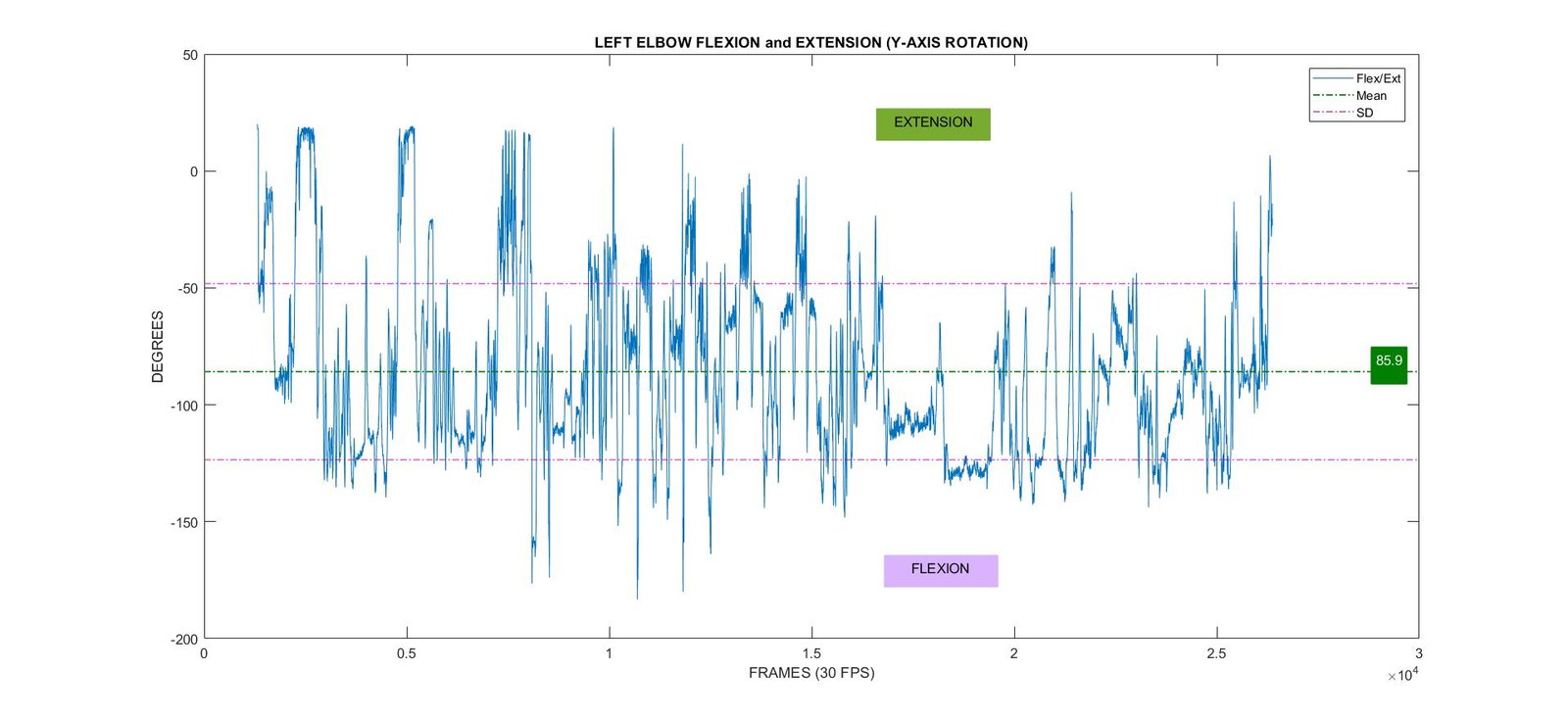
Kinematic analysis of the Panyembrama dance (presented in the Appendix) shows balanced left–right movement patterns and continuous small adjustments of the centre of gravity, confirming the high coordination and balance load inherent in the dance.
Aerobic Training in Balinese Dance
Although Balinese dance is not continuous high-intensity running, the combination of sustained postural work, frequent transitions, and rhythmic movement produces a moderate aerobic stimulus. Heart-rate monitoring during dance practice places the intensity within the light-to-moderate aerobic zone recommended for health benefits. The intermittent nature of the effort — periods of higher intensity interspersed with controlled slower phrases — resembles interval training and contributes to improvements in cardiorespiratory fitness.
Muscular Training in Balinese Dance
The characteristic postures and movement patterns of Balinese dance provide both isometric and dynamic loading of major muscle groups:
- Lower limbs: prolonged knee flexion and controlled weight shifts train the quadriceps, hamstrings, gluteals, and calf muscles.
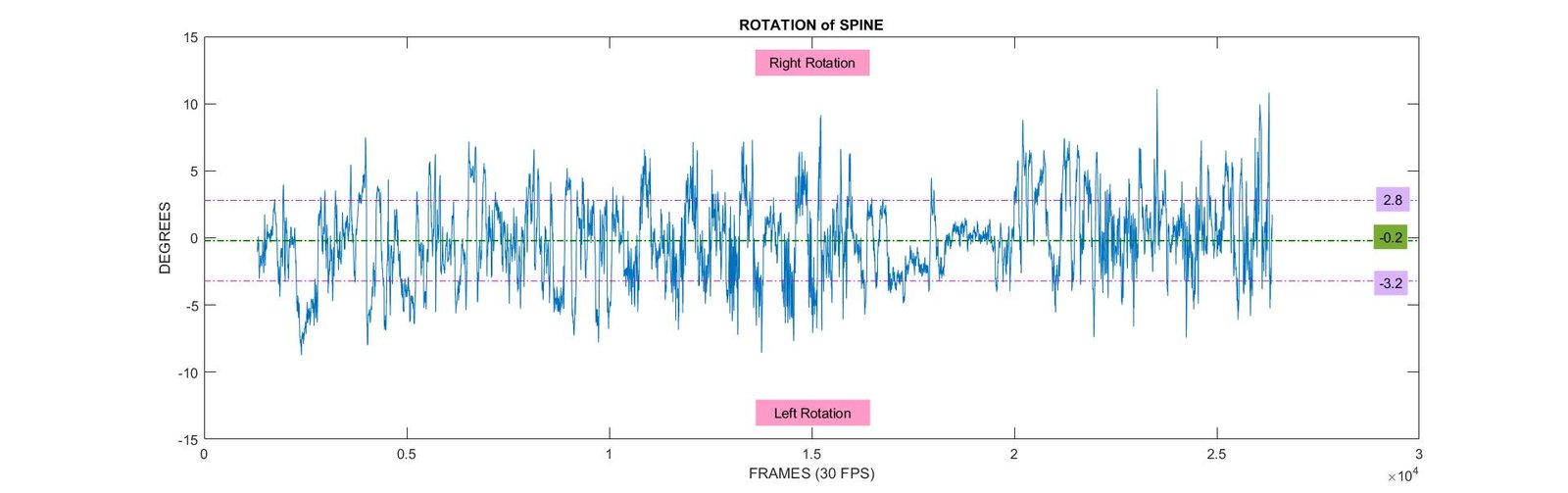
- Trunk: sustained extension and controlled lateral flexion and rotation strengthen the deep spinal stabilisers and abdominal wall.
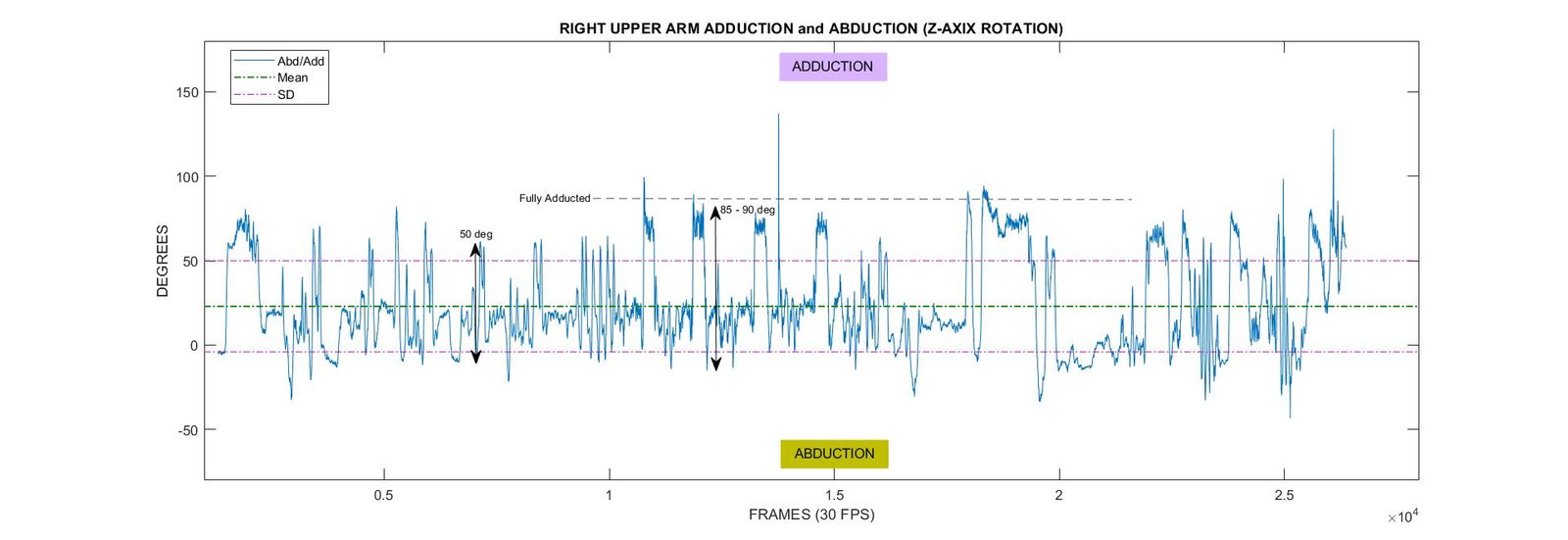
- Upper limbs: arm positions held in abduction and the continuous, precise hand movements develop shoulder girdle and forearm musculature.
The kinematic data presented in the Appendix quantify these ranges of motion and demonstrate that dancers repeatedly work through substantial joint angles while maintaining control — a form of functional strength and endurance training specific to the female body.
4. Balinese Dance Improves Physical Fitness
Experimental research comparing Lègong dance training with moderate-intensity aerobic exercise (running) in adolescent girls has demonstrated superior or equivalent improvements across multiple components of physical fitness.
Effects on Aerobic Fitness
Both Lègong dance training and moderate-intensity aerobic running produced significant improvements in cardiorespiratory fitness. The dance group achieved gains comparable to those of the running group, despite the lower continuous heart-rate profile of dance. This finding indicates that the combination of postural work, intermittent intensity, and whole-body movement in Balinese dance is an effective aerobic stimulus.
Effects of Lègong Dance on Strength, Muscular Endurance and Flexibility
Lègong training produced markedly greater improvements in muscular strength and endurance than moderate-intensity running. The characteristic bent-knee postures and controlled transitions provide repeated loading of the lower-limb and trunk musculature that is largely absent from steady-state running. Flexibility also improved more in the dance group, consistent with the large ranges of motion required in Balinese dance vocabulary.
Effects on Balance
Balance improved substantially after Lègong training, whereas the running group showed little or no change. The continuous requirement to control the centre of gravity while performing complex upper-body gestures constitutes highly specific balance training. Kinematic analysis confirms frequent, small adjustments of the centre of gravity in both the vertical and horizontal planes.
Effects on Body Fat Composition
Both training modalities reduced body-fat percentage. The dance group achieved reductions comparable to those of the running group, indicating that the energy expenditure and metabolic stimulus of regular Balinese dance practice are sufficient to favourably alter body composition.
Balinese Dance as Suitable Exercise for Women
Taken together, the findings demonstrate that Balinese traditional dance, particularly Lègong, constitutes a comprehensive form of physical training that simultaneously develops:
- Cardiorespiratory fitness
- Muscular strength and endurance
- Flexibility
- Balance and coordination
- Favourable body composition
Because the movement vocabulary is culturally familiar, aesthetically engaging, and socially embedded, adherence tends to be high — an important practical advantage over conventional exercise programmes. For adolescent girls and women, Balinese dance therefore represents an ideal, culturally congruent form of physical activity that addresses both health-related fitness and gender-specific physical needs.
5. Closing Remarks
The research summarised in this book demonstrates that Balinese traditional dance is far more than an aesthetic and cultural practice. When examined through the lens of sports physiology and biomechanics, it emerges as a complete and sophisticated form of physical training.
The postural demands, continuous centre-of-gravity control, multi-segment coordination, and rhythmic muscular work inherent in the dance provide simultaneous training of aerobic capacity, muscular strength and endurance, flexibility, balance, and body composition. Experimental evidence confirms that these benefits are measurable and, in several domains, superior to those obtained from conventional moderate-intensity aerobic exercise.
Beyond the physical domain, the mental focus required by the precise movement vocabulary and the spiritual context of many performances contribute to psychological and social well-being. In this sense, Balinese traditional dance embodies the holistic concept of wellness — benefits that touch the physical, mental, and spiritual dimensions of life.
It is the author’s hope that this work will encourage further scientific exploration of traditional movement practices and, more importantly, that it will support the continued transmission and practice of Balinese dance as a living resource for health and well-being across generations.
6. Appendix – Kinematic Analysis of Panyembrama Dance
The following high-resolution graphs present the quantitative kinematic analysis of the Panyembrama dance performed by female dancers. Data were captured at 30 frames per second and processed to extract joint angles and centre-of-gravity displacement in three dimensions (Griadhi, 2017).
7. Selected References
- Adiputra, N. (1994). Physical fitness benefits of Modern Baris Dance.
- Cooper, K. H. (1968/1980). Aerobics. New York: Bantam.
- Griadhi, I. P. A. (2017). Kinematic analysis of Balinese traditional dance movements in female dancers.
- Griadhi, I. P. A. (2019). Effects of Lègong dance training versus moderate-intensity aerobic exercise on physical fitness and neuroplasticity in adolescent girls.
- Haskell, W. L., et al. (2007). Physical activity and public health: updated recommendation for adults from the American College of Sports Medicine and the American Heart Association. Circulation.
- McArdle, W. D., Katch, F. I., & Katch, V. L. (2012). Exercise Physiology: Nutrition, Energy, and Human Performance (7th ed.). Lippincott Williams & Wilkins.
- Nelson, M. E., et al. (2007). Physical activity and public health in older adults. Circulation.
- Pate, R. R., et al. (1995). Physical activity and public health: a recommendation from the Centers for Disease Control and Prevention and the American College of Sports Medicine. JAMA.
- Plowman, S. A., & Smith, D. L. (2014). Exercise Physiology for Health, Fitness, and Performance.
- Pranata, S., et al. (2013/2018). Basic Health Research (Riset Kesehatan Dasar), Indonesia.
- Vasconcellos, F., et al. (2014). Physical fitness and health risks associated with low fitness levels.
- World Health Organization (2010). Global recommendations on physical activity for health.
Full reference list available in the original Indonesian edition (Udayana University Press, 2023).